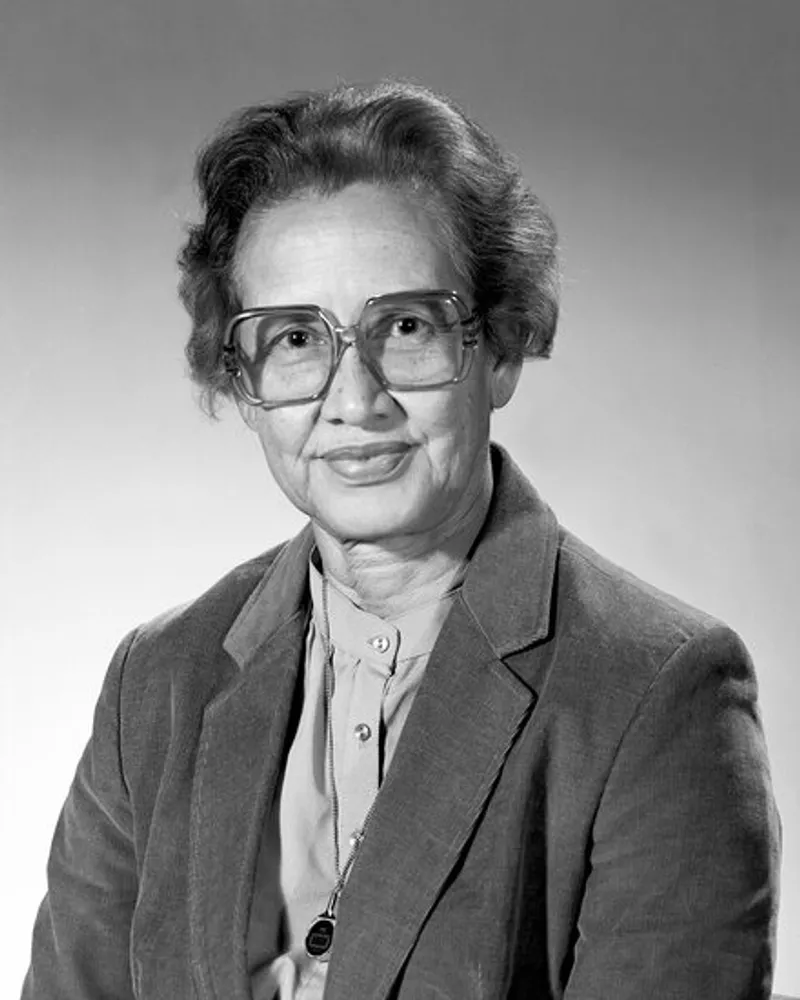
Katherine Johnson (1918–2020) was an American mathematician whose calculations were essential to NASA’s early space missions. Her trajectory analysis for Project Mercury, Apollo, and other programs helped put Americans in space.
Early Career
Johnson joined NASA’s predecessor (NACA) in 1953 as a “computer”—a human who performed complex calculations. Despite segregation, her mathematical talent led to increasingly important assignments.
Project Mercury
Johnson calculated the trajectory for the first American in space (Alan Shepard) and the first American to orbit Earth (John Glenn). Glenn specifically requested that Johnson verify the electronic computer’s calculations before his flight.
Orbital Mechanics
Johnson specialized in orbital mechanics:
- Trajectory analysis for Mercury missions
- Lunar orbit calculations for Apollo
- Return trajectory for Apollo 13 emergency
- Space Shuttle landing calculations
Recognition
Long overlooked, Johnson received recognition late in life:
- Presidential Medal of Freedom (2015)
- Featured in “Hidden Figures” book and film (2016)
- NASA facility named in her honor
Legacy
Johnson exemplified how human computers enabled early spaceflight. Her story represents many women and minorities whose contributions were essential but long unrecognized.