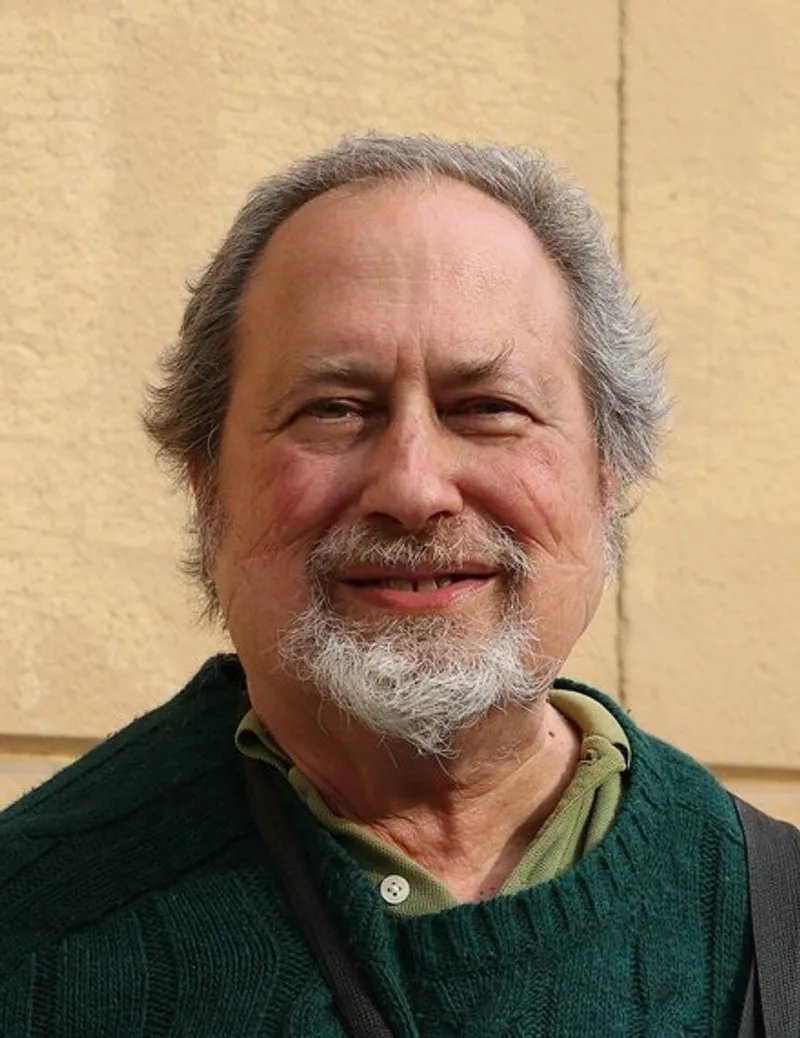
Richard Stallman (born 1953) is an American software freedom activist and programmer who founded the free software movement. His GNU Project and GPL license created the technical and legal foundations for collaborative software development.
MIT AI Lab
Stallman joined MIT’s AI Lab in 1971, where he experienced a culture of sharing code and collaborating on software. When this culture eroded as companies commercialized software, Stallman decided to create an alternative.
Founding GNU
In 1983, Stallman announced the GNU Project to create a free Unix-like operating system. His 1985 GNU Manifesto articulated why software should be free—for ethical reasons, not just practical ones. He founded the Free Software Foundation to support this work.
Creating Essential Tools
Stallman wrote key software:
- GNU Emacs: Extensible text editor still widely used
- GCC: GNU Compiler Collection, compiling most free software
- GDB: GNU Debugger
The GPL
The GNU General Public License, created by Stallman, pioneered copyleft—requiring that modified versions also be free. This viral licensing mechanism created a growing commons of shared code and provided the legal foundation for modern open source.
Philosophy
Stallman insists on “free software” rather than “open source,” arguing the former emphasizes ethical principles while the latter focuses only on practical benefits. His uncompromising advocacy for software freedom has been both influential and controversial.