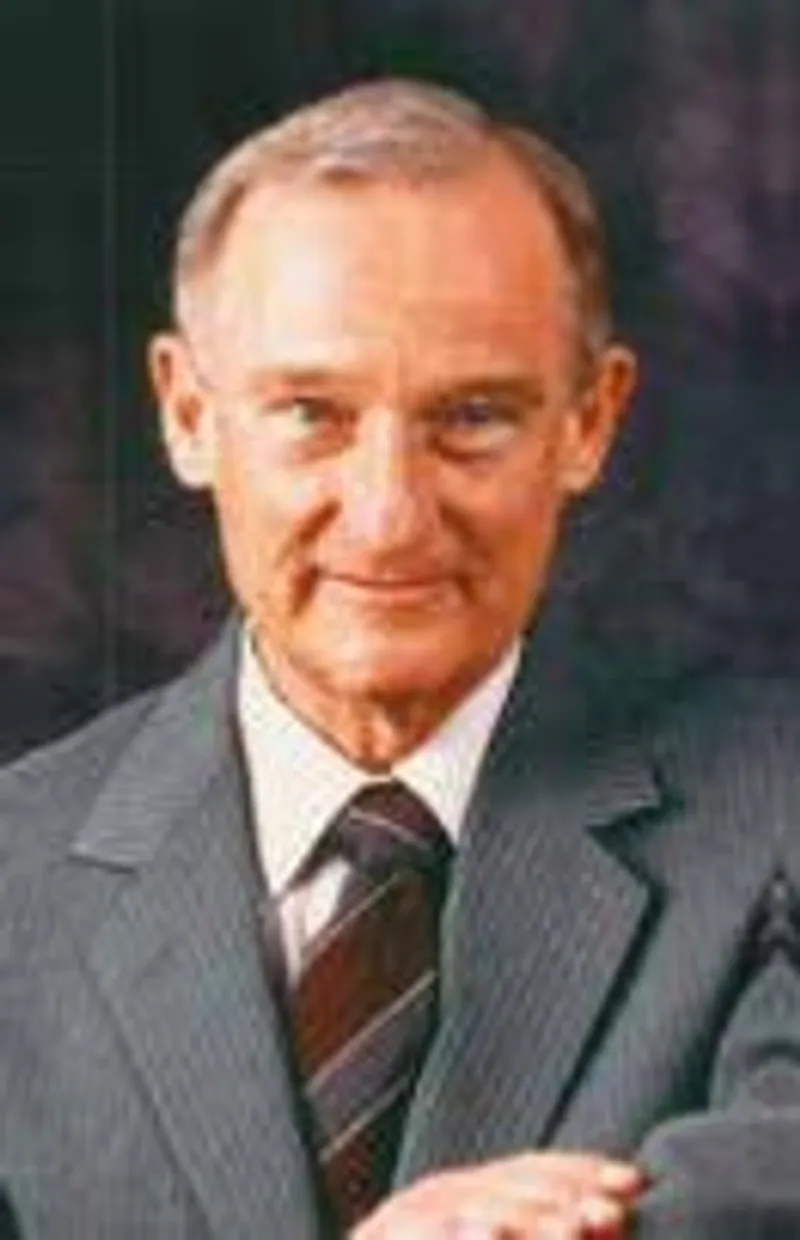
Seymour Cray (1925–1996) was an American electrical engineer and supercomputer architect. He founded Cray Research and designed a series of the world’s fastest computers, making his name synonymous with supercomputing.
Early Career
Cray began his career at Engineering Research Associates and Control Data Corporation, where he designed early supercomputers including the CDC 6600—the world’s fastest computer in 1964. His approach emphasized simplicity and speed.
Founding Cray Research
In 1972, Cray founded Cray Research to focus exclusively on building the world’s fastest computers. Working from a lab near his Wisconsin home, he designed machines that dominated supercomputing for two decades.
Design Philosophy
Cray’s approach was distinctive:
- Minimize wire lengths for speed
- Simple designs that could be understood completely
- Vector processing for scientific computation
- Innovative cooling for dense packaging
- Willing to start fresh rather than incrementally improve
The Cray-1
The Cray-1 (1976) was Cray’s masterpiece. Its distinctive cylindrical shape minimized wire lengths, and its vector processor delivered unprecedented performance for scientific computing. The design became an icon of computing power.
Legacy
Cray died in a car accident in 1996, but his influence endures. Modern supercomputers use different architectures (massively parallel rather than vector), but Cray established the field and the culture of pushing computing to its limits.